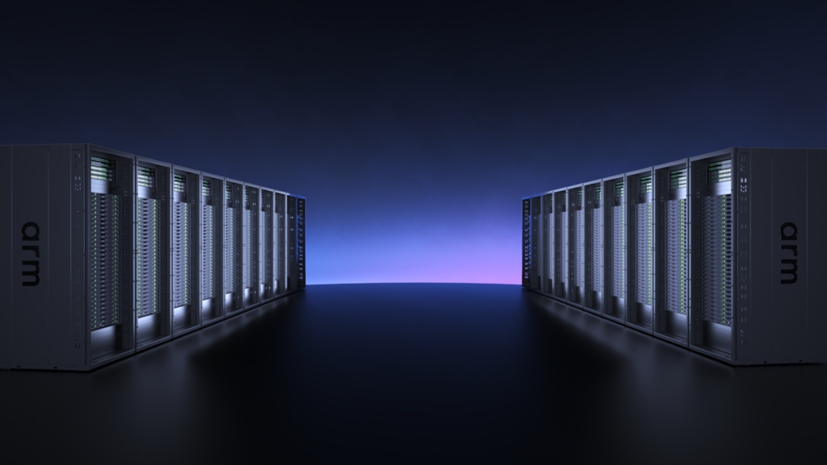
As Artificial Intelligence (AI) systems evolve from merely running models to orchestrating autonomous, agent-driven workflows, infrastructure requirements are undergoing a fundamental transformation. Workloads are no longer confined to isolated inference tasks; instead, they consist of thousands of collaborative interactions among models, tools, and services. In this new landscape, the CPU is emerging as the central control hub for AI—responsible for coordinating full-stack orchestration, data flow, and system behavior. To meet these emerging demands, Arm recently introduced the Arm AGI CPU—a processor tailored specifically for next-generation AI infrastructure. Featuring high core scalability, high memory bandwidth, and system-level energy efficiency, the Arm AGI CPU orchestrates the complex interactions among CPUs, GPUs, and other accelerators, while being optimized for performance, consistency, and interoperability in large-scale deployment scenarios.
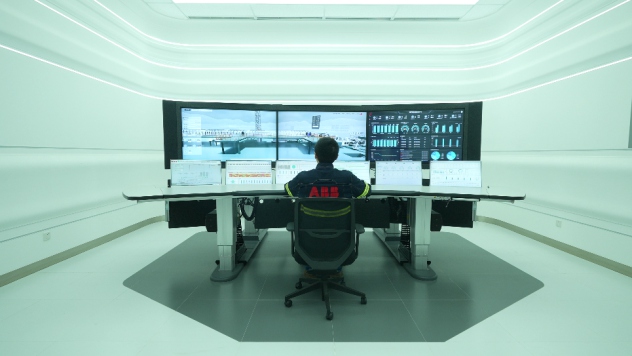
Amidst the global wave of energy transition and the high-quality development of the manufacturing sector, the steel and non-ferrous metals industries are accelerating their transformation—shifting from mere scale expansion to quality enhancement, and from traditional manufacturing to green and intelligent operations. ABB has long been deeply committed to the steel and non-ferrous metals sectors, leveraging end-to-end solutions to help customers resolve critical development challenges and seize market opportunities. Recently, Jiang Haibo, ABB’s Head of Metals and Power Conversion for Asia, offered a global perspective on industry trends, sharing ABB’s practices and insights on how it empowers customers to elevate their value through technological innovation and localized capabilities. Jiang Haibo observes that the global metals industry is currently confronting several core challenges: the surge in demand for materials such as silicon steel, copper, and aluminum—driven by advancements in artificial intelligence and power infrastructure upgrades—has brought the supply-demand balance for energy and materials into sharp focus; furthermore, steel decarbonization has emerged as a mandatory requirement, with carbon reduction in the upstream ironmaking stages attracting significant global attention, thereby establishing a green and low-carbon transition as an inevitable trend.
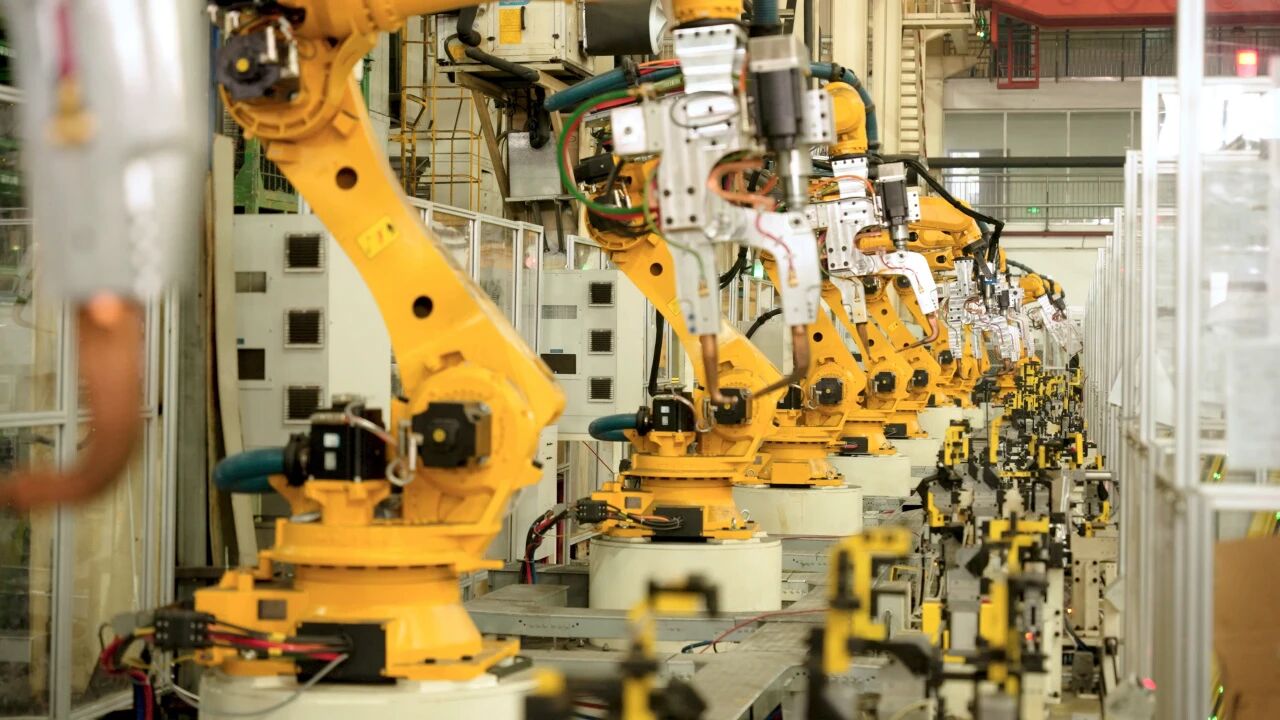
In the first quarter of 2026, China's industrial robot market pattern has been refreshed again - according to the latest data released by MIR DATABANK, Eston robot shipments continue to rank first in the Chinese market (including all domestic and foreign brands). At the same time, it has maintained the first place in the domestic industrial robot brand shipments for the eighth consecutive year, and the single-quarter production and shipment of industrial and collaborative robots has reached a new level. Estun continues to focus on the field of innovation, and its R&D investment has accounted for more than 10% of total revenue for many years. It has built a complete solution for intelligent manufacturing with a series of products such as industrial robots, collaborative robots, universal controllers, laser-specific control systems, functional safety controllers, welding robots and welding power supplies as the core.
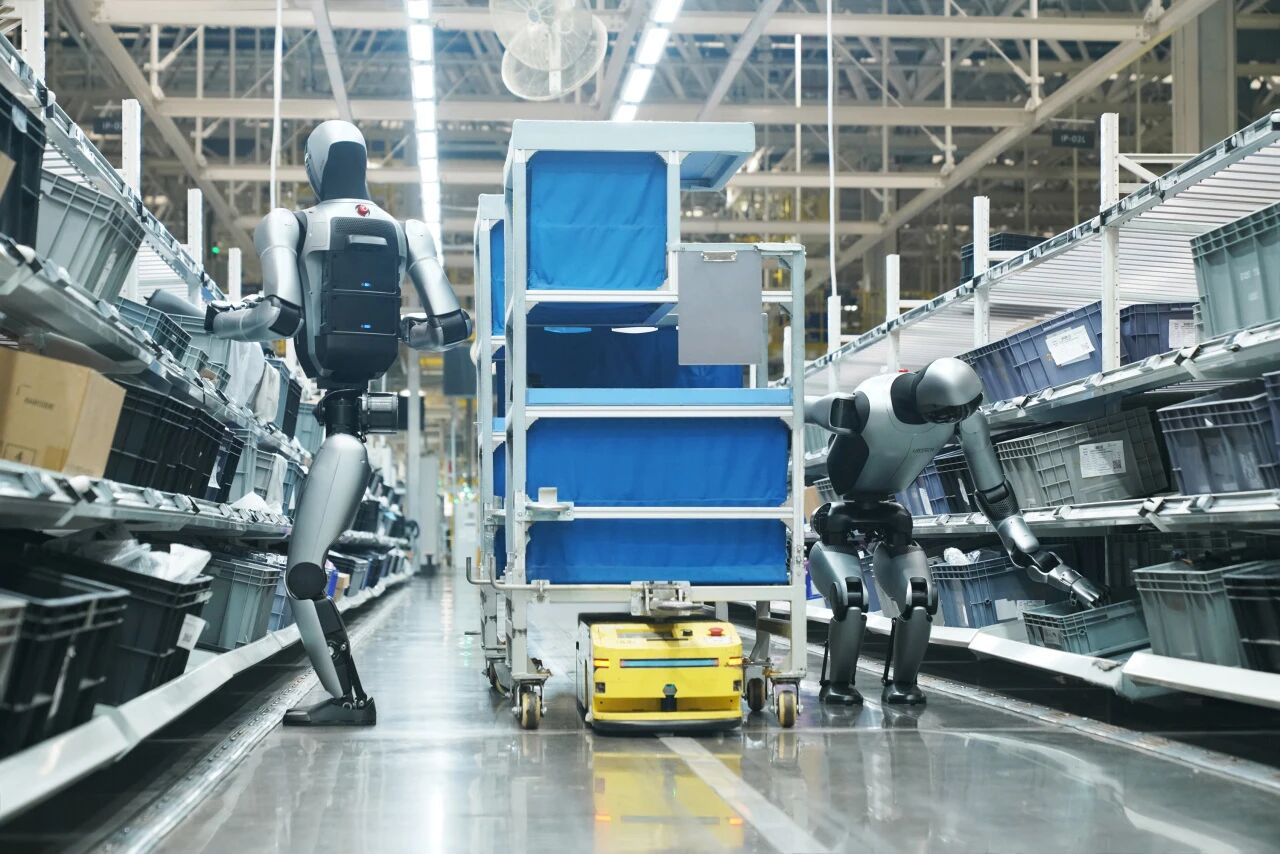
As embodied intelligence technology continues to iterate, humanoid robots' scene recognition, command understanding, and task planning capabilities have steadily improved, and they have gradually acquired the basic capabilities for application in real industrial scenarios. However, in the dynamic and changeable production line actual operation environment, the traditional embodied solutions common in the industry still have obvious shortcomings: most models can only complete static decision-making and short-term task disassembly based on real-time scenarios. They lack the ability to scenario deduction and future state prediction of the physical world, and are difficult to adapt to the real-time changing long-distance task operation requirements of real industrial scenarios. As a result, the entire link of decision execution and iterative optimization cannot be closed. UBTECH is based on the real operational needs of industrial scenarios and the evolution direction of embodied intelligence technology. Based on the self-embodied intelligence large model Thinker, UBTECH has launched a new embodied intelligent world model Thinker-WM to create a physical AI base and achieve an all-round upgrade of the embodied brain architecture and core capabilities. With its advantages in spatial generalization, long-range tasks and comprehensive performance, Thinker-WM topped the list of the authoritative developed embodied intelligence evaluation benchmark Libero. Also participating in the list are models from well-known companies such as NVIDIA, Physical Intelligence, and Xiaomi.