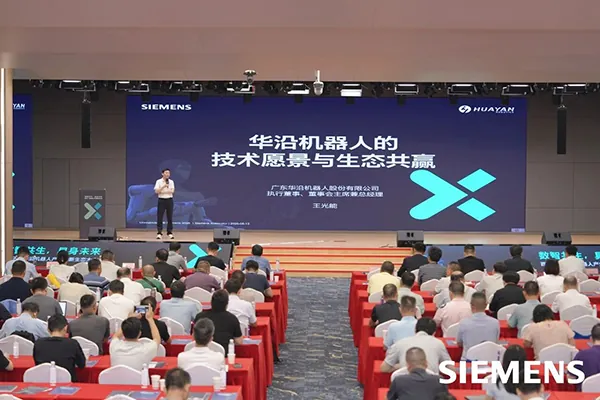
On August 13, 2026, the "Symbiosis of Digital Intelligence and Embodied Futures: Siemens & Huayan Robotics Industry Innovation Ecosystem Conference" was successfully held at the Han's Laser Global Intelligent Manufacturing Center in Bao'an, Shenzhen. The event brought together leading enterprises and technical experts from the intelligent manufacturing sector to engage in in-depth discussions and knowledge sharing centered on key topics such as human-machine symbiosis, intelligent collaboration, and industrial ecosystem synergy. Driven by the dual forces of the deepening advancement of smart manufacturing and the global restructuring of industries, the robotics sector is undergoing a historic transition from "automated execution" to "intelligent decision-making." Siemens Xcelerator and Huayan Robotics have joined forces to host this conference with the aim of building an open, integrated platform for industry collaboration, thereby fostering a deep synergy between digital capabilities and Huayan’s hardware strengths.
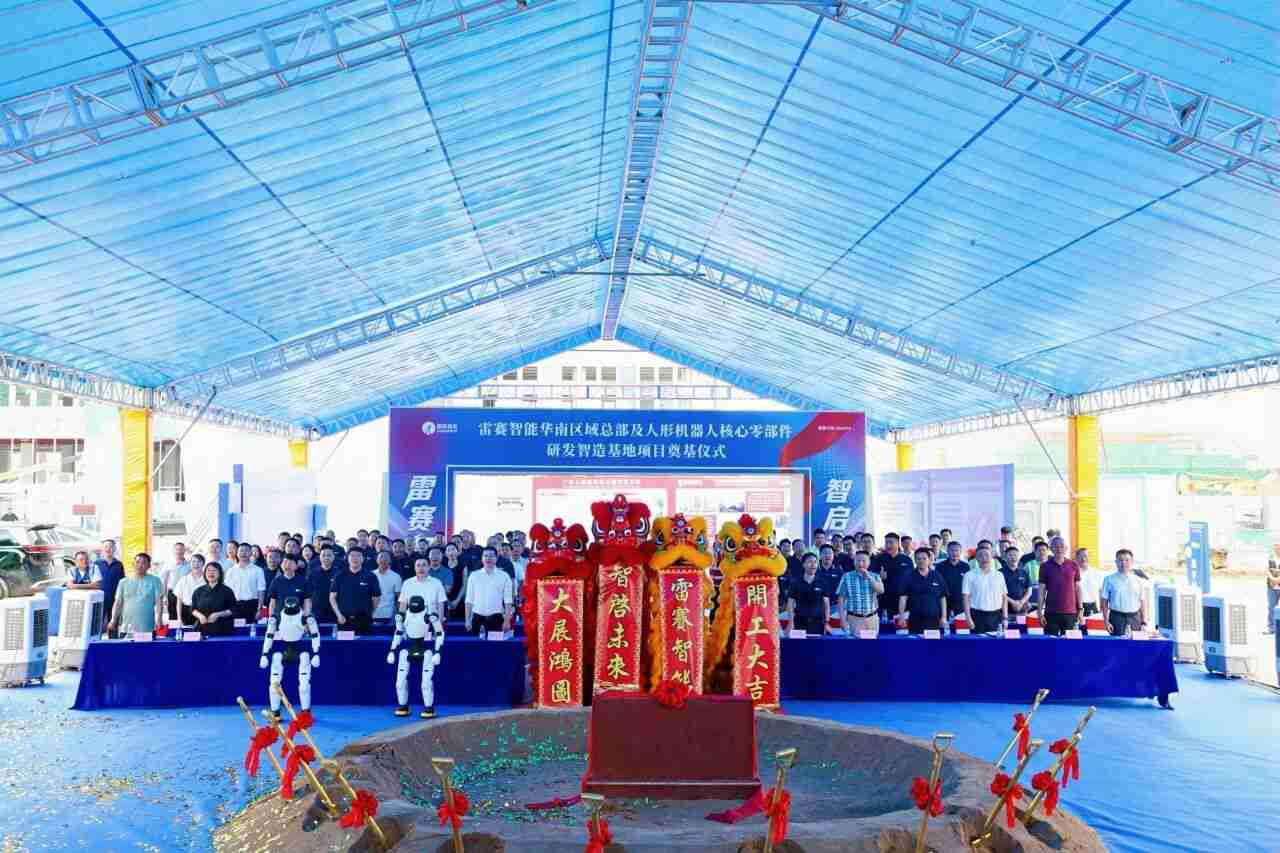
On August 15, the groundbreaking ceremony for Leadshine’s South China regional headquarters and its R&D and intelligent manufacturing base for core humanoid robot components was grandly held at the Precision Manufacturing Science and Technology Innovation Park in Dongguan’s Binhai Bay New Area. Leadshine’s senior management, industry partners, project contractors, and mainstream media gathered to witness this pivotal milestone in the company's South China strategy, marking the official launch of the facility's construction for the large-scale mass production of core motion control components. The Leadshine Technology South China Regional Headquarters and R&D and Intelligent Manufacturing Base for Core Components of Humanoid Robots is located in the Precision Intelligent Manufacturing Science and Technology Park within the Jiaoyiwan Sector of Dongguan Binhaiwan New Area. The project covers an area of approximately 25 mu, with a total floor area of about 62,000 square meters and a total investment of approximately 500 million yuan. It aims to consolidate Leadshine’s operational resources in South China to establish a regional headquarters integrating operations management with R&D and manufacturing, while focusing on the development and production of core motion control components.
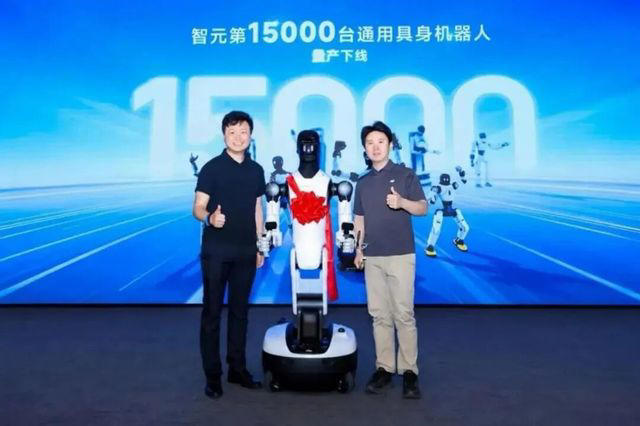
On August 3, Agibot updated the list of partners on its official website, with three executives—Xiong Yan, Zhu Jie, and Zhang Xiuzheng—joining the core management team. This expansion brings the total number of partners from seven to nine. In response, Agibot told Tencent Tech that the expansion of the management team is intended to provide organizational support for the company's next phase of development. This adjustment coincides with a phase of accelerated business transformation for Agibot. On June 28, the company announced the rollout of its 15,000th embodied AI robot—a milestone reached less than three months after hitting the 10,000-unit mark. At the ceremony, the "Spirit G2" unit was handed over directly to Longcheer Technology for deployment on a 3C electronics production line. The transition from mass-production rollout to on-site delivery aligns with Deng Taihua’s earlier prediction regarding 2026: that embodied AI is entering its "inaugural year of deployment." This signals a strategic shift for Agibot, moving its primary focus from mass production toward real-world application and deployment.
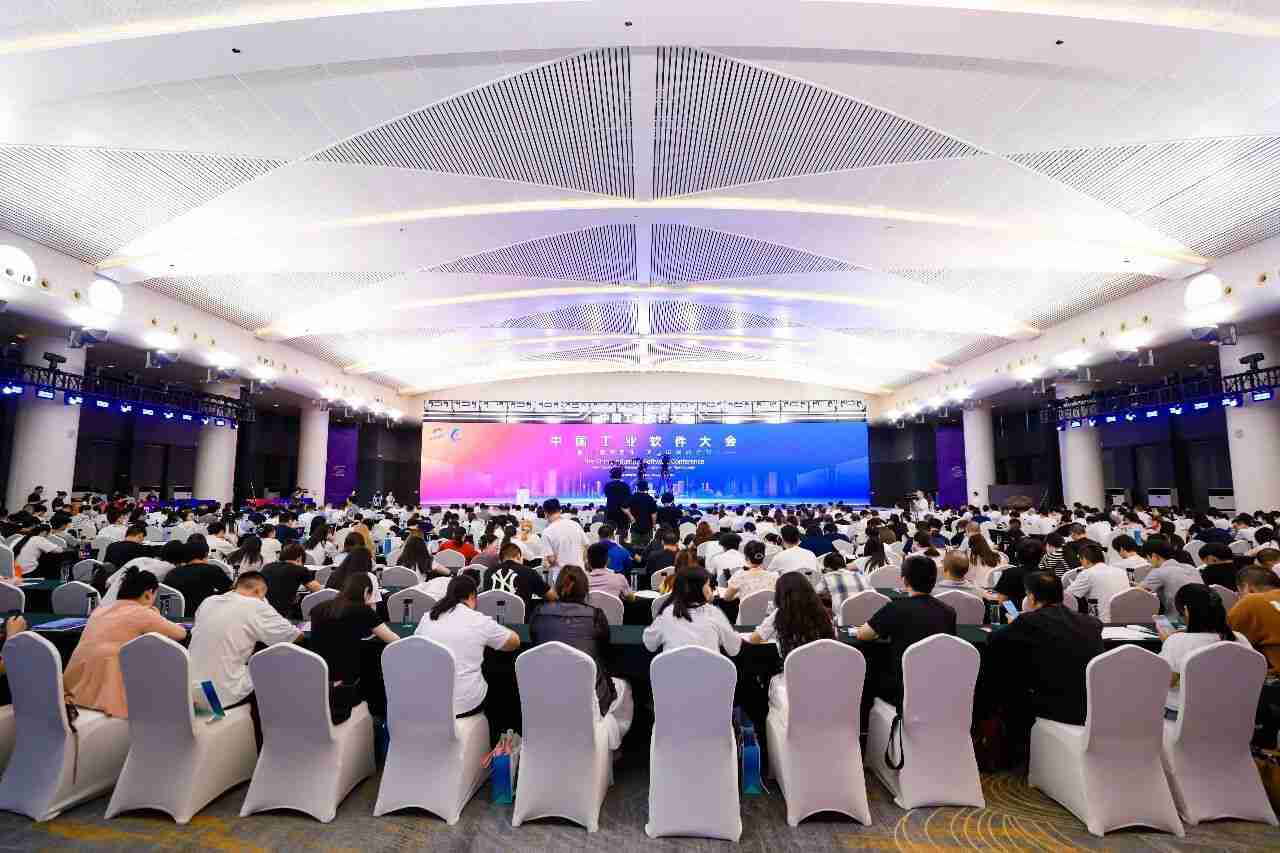
On July 31, the 6th China Industrial Software Conference was successfully held in Chongqing. Centered on the theme "Integrating AI and Collective Intelligence to Empower Applications; Driving Innovation to Embark on a New Journey," the conference focused on the trend of deep integration between artificial intelligence and industrial software. It explored pathways for the intelligentization and domestic innovation of industrial software, aiming to help solidify the foundation for the country's autonomous and controllable industrial software capabilities. Officials from the Ministry of Industry and Information Technology and the Chongqing municipal government, along with experts from industry associations, attended the event and delivered speeches. Zhu Yiming, Chief Engineer of HollySys Group, was invited to attend the conference and speak at the "Forum on the Integrated Development of AI and Industrial Software." He delivered a presentation titled "Industrial Intelligence Systems Driven by the Dual Engines of Data and Knowledge," sharing the company's cutting-edge technological achievements and practical implementation experiences, thereby offering new industry perspectives on the large-scale deployment of industrial AI.